The pane you already paid for.
A real schematic cannon exposed a quiet loss when replacing an already glazed block. The existing pane now comes back once.
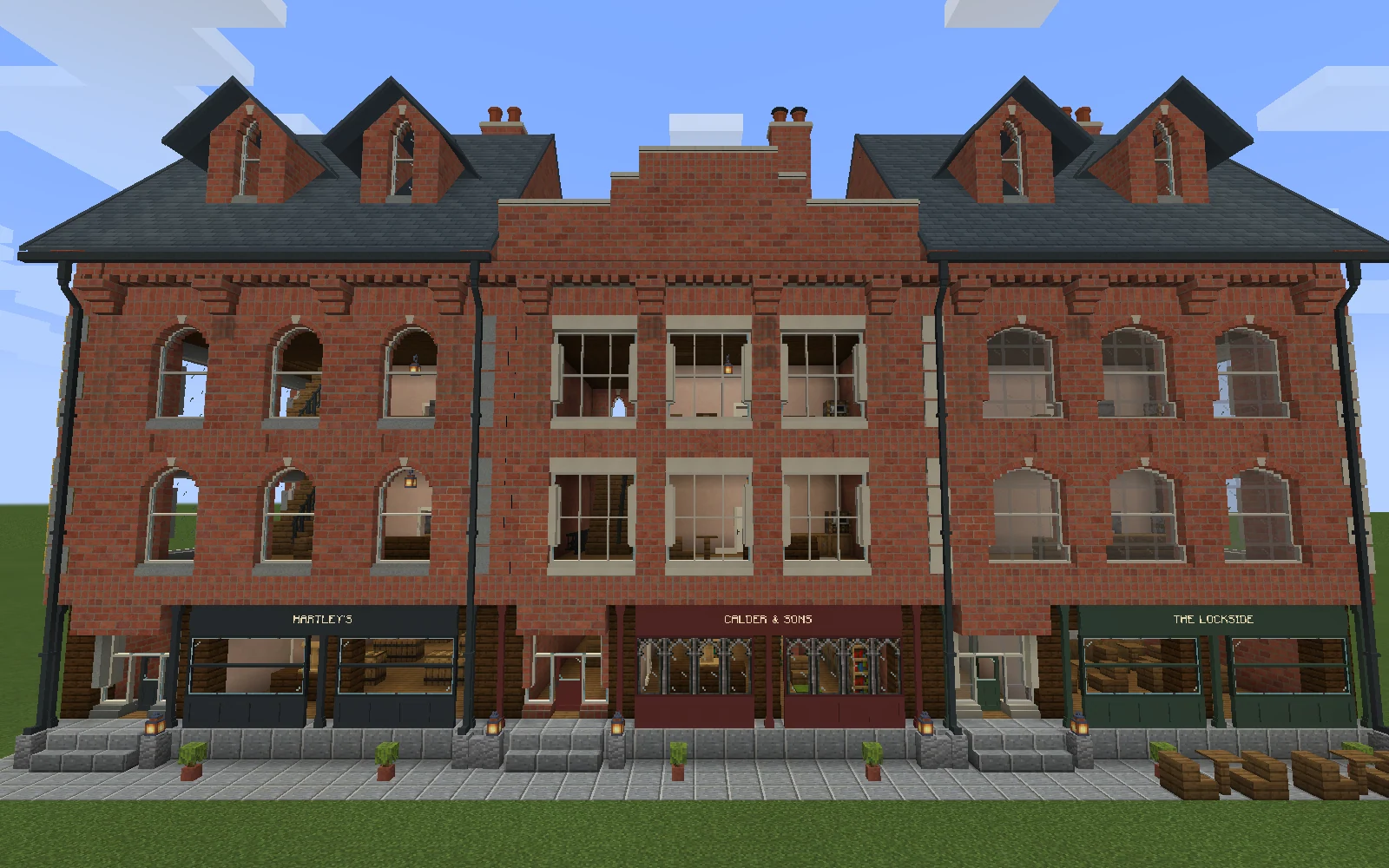
The terrace contains hundreds of inserted panes. Those windows need to remain dependable when a builder changes their mind and copies a different design over them.
The cover shows the earlier accepted terrace study. This change is in material handling; the windows retain their appearance.
The actual schematic cannon exposed a problem there. Replace a glazed block with a differently facing version of the same block, and Minecraft can retain its existing block entity. Create applies the copied appearance, but the old payment record was being cleared. The pane already bought and inserted by the player disappeared.
Three panes, three different jobs
I kept the source pane, the cannon's supplied pane and the existing paid pane distinct, with different names and item data. That made the result unambiguous: the arch, rooflight and complete door each lost the old pane in the unchanged build.
The correction returns that existing item before replacement, preserving its exact data. Repeating the copy, removing the incoming glass with a wrench and destroying the block must never return a second one. A target that the cannon skips keeps its original pane and consumes no new pane stock.
A useful false alarm
The first repair run passed the arch and rooflight, then reported that the door's returned pane had vanished. I inspected the stopped test world's saved item entities. The exact item was still there: the door had pushed it beyond the small test query.
The observer now follows that already identified item. The unchanged product then passed all three real cannon replacements, each returning the old pane once. An identical-state door was skipped correctly. Forty-four direct-placement cases also covered door halves, saved claims, invalid visual materials and callbacks that install a new payment during replacement.
Resource reload, all eighteen Ponder lessons, fifteen complete-building reopens and normal shutdown passed. The five ordinary cannon placement cases also passed, including the powered door and projecting sign.
The boundary that remains
This fixes the existing pane. Newly supplied cannon panes still lack refundable ownership after printing; that broader transaction problem remains deferred. Ordinary item-drop rules apply, and compatibility with external schematic state filters is outside this repair's tested scope. Unknown door or rooflight payment records are preserved by refusing the replacement.
I’m happier with the material boundary now. Replacing part of an existing building is an ordinary action, and it deserves the same care as placing the first block.
The installed release is still 0.12. Next come the two-client checks and a quieter visual improvement: fitted skirting and cornices for the terrace's upstairs rooms.